
Dental emergencies have a way of happening at the least convenient times. A tooth may crack during dinner, a filling may fall out before an important meeting, or a child may take a tumble and knock a tooth loose. When pain, swelling, bleeding, or a broken tooth appears suddenly, it is natural to feel worried and unsure about what to do next.
For patients searching for an emergency dentist Los Angeles CA, the most important first step is to stay calm and contact a dental office as soon as possible. Many urgent dental problems can be treated more comfortably and effectively when they are addressed early.
This guide explains what counts as a dental emergency, what patients can do at home while waiting for care, and what to expect during an emergency dental visit.
This article is for general education only and is not a diagnosis or treatment plan. Anyone experiencing severe pain, facial swelling, uncontrolled bleeding, fever, difficulty breathing, or trauma should seek prompt care from a dentist, physician, urgent care center, or emergency room as appropriate.
What Is Considered a Dental Emergency?
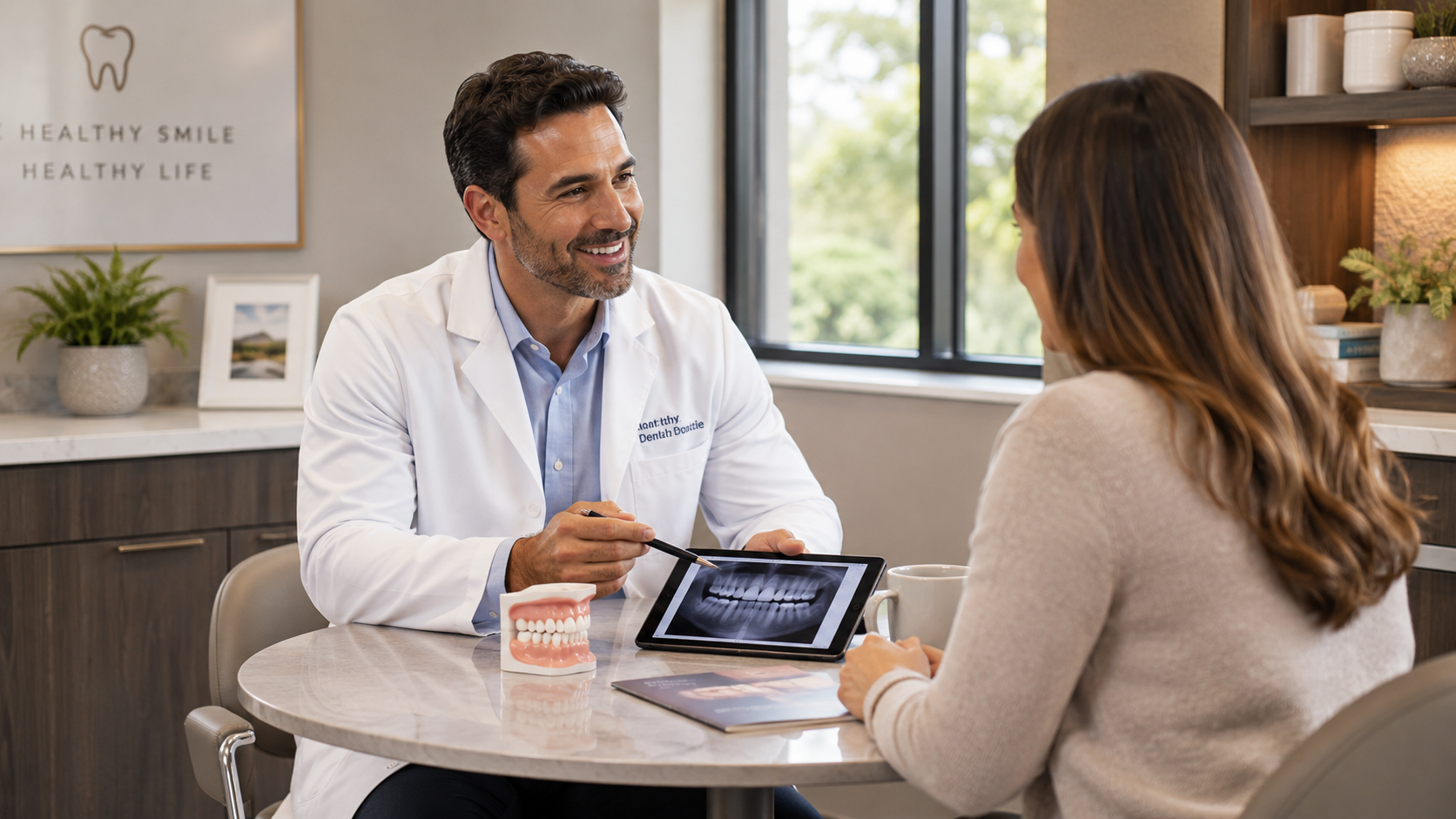
A dental emergency is any mouth-related problem that needs prompt attention to relieve serious pain, stop bleeding, treat infection, or save a tooth. Some emergencies are obvious, such as a knocked-out tooth. Others may seem mild at first but can become more serious if ignored.
Common dental emergencies include:
- Severe or persistent toothache
- Swollen gums, jaw, or face
- Knocked-out permanent tooth
- Cracked, broken, or fractured tooth
- Dental abscess or pimple-like bump on the gums
- Lost crown, bridge, veneer, or filling with pain or sensitivity
- Bleeding that does not stop after pressure is applied
- Injury to the lips, gums, tongue, jaw, or teeth
- Severe pain after a recent dental procedure
Not every dental concern requires same-day care, but pain and swelling should never be brushed aside. A dentist can help determine whether the situation is urgent and recommend the safest next step.
When to Call an Emergency Dentist in Los Angeles, CA
Patients should call an emergency dentist when symptoms are painful, worsening, or interfering with normal activities such as eating, sleeping, speaking, or working. In a busy city like Los Angeles, getting clear guidance quickly can make a stressful situation feel more manageable.
It is especially important to call right away if a patient has:
- Sharp, throbbing, or constant tooth pain
- Swelling in the face, jaw, neck, or gums
- A tooth that feels loose after an injury
- A broken tooth with exposed inner layers
- Sensitivity that suddenly becomes severe
- A bad taste, pus, or drainage near a tooth
- A crown or filling that came out and left the tooth painful
A dental team may ask questions over the phone to better understand the situation. They may ask when the pain started, whether there was an injury, whether swelling is present, and whether the patient has a fever or trouble swallowing. These questions help the office prioritize care and prepare for the visit.
When to Go to the Emergency Room Instead
Dentists handle most urgent tooth and gum problems, but some symptoms may require hospital-based care first. A patient should go to the emergency room or call emergency services if there is difficulty breathing, difficulty swallowing, heavy bleeding that will not stop, severe facial trauma, a suspected broken jaw, or swelling that spreads toward the eye, neck, or airway.
After the immediate medical concern is managed, the patient may still need follow-up dental care to treat the tooth or gum problem that caused the symptoms.
What to Do Before the Dental Appointment
The right steps at home can protect the tooth and reduce discomfort until a dentist can evaluate the problem. These tips are not a substitute for professional care, but they can help patients avoid making the situation worse.
For a Severe Toothache
Rinse gently with warm water to clean the area. Floss carefully around the tooth to remove any trapped food that may be causing pressure. A cold compress on the outside of the cheek may help reduce discomfort or swelling.
Patients should avoid placing aspirin directly on the gums or tooth. This can irritate or burn the soft tissue. Over-the-counter pain relievers may help some patients, but they should follow the label directions and avoid medications that are unsafe for their medical history.
For a Knocked-Out Tooth
A knocked-out permanent tooth is one of the most time-sensitive dental emergencies. The tooth should be handled by the crown, which is the white chewing part, not by the root. If it is dirty, it can be gently rinsed with milk or saline if available. The tooth should not be scrubbed.
If possible, the patient can place the tooth back into the socket and hold it in place gently. If that is not possible, the tooth can be kept moist in milk or a tooth preservation solution. Patients should call a dentist immediately. The sooner the tooth is treated, the better the chance that it can be saved.
For a Broken or Chipped Tooth
Rinse the mouth with warm water and save any broken pieces if they are available. If there is bleeding, apply gentle pressure with clean gauze. A cold compress can help with swelling. Patients should avoid chewing on that side and avoid very hot, cold, hard, or sticky foods until the dentist examines the tooth.
Even a small chip should be evaluated if it causes pain, sensitivity, sharp edges, or a change in the bite. A crack can sometimes extend deeper than it appears on the surface.
For a Lost Crown or Filling
If a crown or filling comes loose, the exposed tooth may feel sensitive to air, temperature, or pressure. Patients should keep the crown if they still have it and bring it to the appointment. They should avoid chewing on that side and keep the area clean.
Temporary dental cement from a pharmacy may provide short-term protection in some cases, but it should not replace a dental visit. Super glue or household adhesives should never be used in the mouth.
For Swelling or a Possible Abscess
Swelling, pus, fever, or a pimple-like bump on the gums may point to an infection. This needs prompt professional attention. A patient can rinse gently with warm salt water and use a cold compress for swelling, but the underlying infection will still need dental evaluation.
Dental infections can spread, so patients should not wait to see if swelling goes away on its own. If swelling affects breathing or swallowing, emergency medical care is needed immediately.
What Happens During an Emergency Dental Visit?
An emergency dental appointment focuses first on comfort, safety, and identifying the cause of the problem. The dental team will typically review symptoms, medical history, medications, and allergies. They may take digital X-rays or use other diagnostic tools to see what is happening below the surface.
Depending on the situation, emergency treatment may include:
- Smoothing or bonding a chipped tooth
- Repairing or replacing a filling
- Re-cementing or replacing a crown
- Treating a dental infection
- Performing root canal therapy when the tooth nerve is involved
- Stabilizing a loose or injured tooth
- Extracting a tooth if it cannot be predictably restored
- Planning follow-up cosmetic or restorative care after urgent symptoms are controlled
The exact treatment depends on the diagnosis, the condition of the tooth, the patient’s health, and the patient’s goals. A modern dental office will often focus on relieving pain first, then discussing longer-term options in a calm and understandable way.
Why Prompt Care Matters
Many patients hope dental pain will fade on its own. Sometimes sensitivity from minor irritation may improve, but severe or persistent pain usually means the tooth or surrounding tissue needs attention. Waiting can allow decay, cracks, or infection to progress.
Prompt dental care may help:
- Relieve pain sooner
- Reduce the risk of infection spreading
- Improve the chance of saving a damaged tooth
- Prevent a small repair from becoming a larger treatment
- Protect the appearance and function of the smile
Emergency dentistry is not only about stopping pain. It is also about helping patients return to eating, speaking, smiling, and sleeping comfortably.
How to Choose an Emergency Dentist in Los Angeles, CA
When a dental problem feels urgent, patients may feel pressure to choose quickly. Even so, a few practical considerations can help them find a dental office that is a good fit.
Patients may want to look for:
- Responsive scheduling: The office should be able to explain appointment availability and next steps clearly.
- Comprehensive care: A practice that provides cosmetic, restorative, and general dental services can often address both immediate pain and long-term smile concerns.
- Comfort-focused treatment: Gentle techniques, clear explanations, and a calm environment can make a stressful visit easier.
- Modern technology: Digital imaging and advanced materials can help dentists diagnose issues and plan efficient treatment.
- Transparent communication: Patients should feel comfortable asking about treatment options, timing, and costs before moving forward.
Marvizi Cosmetic Dentist aims to provide a welcoming experience for patients who need guidance, relief, and thoughtful treatment planning. Patients with urgent symptoms are encouraged to call the office to discuss availability and appropriate next steps.
Cost, Insurance, and Payment Questions
Emergency dental costs vary because every situation is different. A small chipped tooth may require a simple repair, while a painful infection may require imaging, medication guidance, root canal therapy, a crown, or another treatment plan.
During the visit, the dental team can usually explain the recommended care and review estimated costs before treatment begins. Patients should bring their dental insurance information if they have it. Even without insurance, many offices can discuss payment options or phased treatment when appropriate.
The most important point is that cost concerns should not stop a patient from calling. A conversation with the dental office can help clarify options and reduce uncertainty.
How to Reduce the Risk of Future Dental Emergencies
Not every dental emergency can be prevented. Accidents happen. Still, many urgent dental problems are linked to untreated decay, worn dental work, grinding, gum disease, or delayed routine care.
Patients can lower their risk by:
- Scheduling regular dental exams and cleanings
- Treating small cavities before they become painful
- Wearing a mouthguard during contact sports
- Asking about a nightguard if they grind or clench teeth
- Avoiding chewing ice, pens, hard candy, and other hard objects
- Replacing old or damaged crowns and fillings when recommended
- Calling the dentist at the first sign of sensitivity, swelling, or a cracked tooth
Preventive care is often more comfortable, more predictable, and less stressful than waiting for a dental problem to become urgent.
Frequently Asked Questions
What should a patient do for a dental emergency after hours?
A patient should call the dental office and listen for after-hours instructions if available. If symptoms include difficulty breathing, difficulty swallowing, severe facial swelling, uncontrolled bleeding, or major trauma, the patient should seek emergency medical care right away.
Is a toothache always a dental emergency?
A mild, brief sensitivity may not always be an emergency, but severe, constant, or worsening tooth pain should be evaluated promptly. Toothaches can come from decay, cracks, infection, gum problems, or bite-related issues, and the right treatment depends on the cause.
Can an emergency dentist save a knocked-out tooth?
Sometimes, yes. A knocked-out permanent tooth has the best chance when it is kept moist and treated quickly. Patients should call a dentist immediately and avoid touching the root of the tooth.
What if a crown falls off but there is no pain?
Even without pain, the tooth underneath may be vulnerable to decay, shifting, or damage. The patient should keep the crown, avoid chewing on that side, and schedule a dental visit as soon as possible.
Can a broken tooth wait a few days?
It depends on the severity. A small chip with no pain may be less urgent than a deep break with sensitivity, bleeding, or swelling. Because cracks can extend below the visible surface, patients should call a dentist for guidance rather than guessing.
Will emergency dental treatment hurt?
The goal of emergency dental care is to relieve pain, not add to it. Dentists can use local anesthetic and comfort-focused techniques to help patients feel as relaxed as possible during treatment.
A Calmer Next Step for Urgent Dental Pain
Dental emergencies can feel overwhelming, but patients do not have to navigate them alone. Whether the problem is a severe toothache, a broken tooth, swelling, or a lost restoration, quick guidance from a dental professional can make a meaningful difference.
Anyone looking for an emergency dentist in Los Angeles, CA can contact Marvizi Cosmetic Dentist to ask questions, discuss symptoms, and learn what next steps may be appropriate. A timely call can help protect comfort, oral health, and peace of mind.